Torque Specifications: Why They Matter and How to Use Them
Understanding proper torque values is crucial for safe and reliable fastener installation.
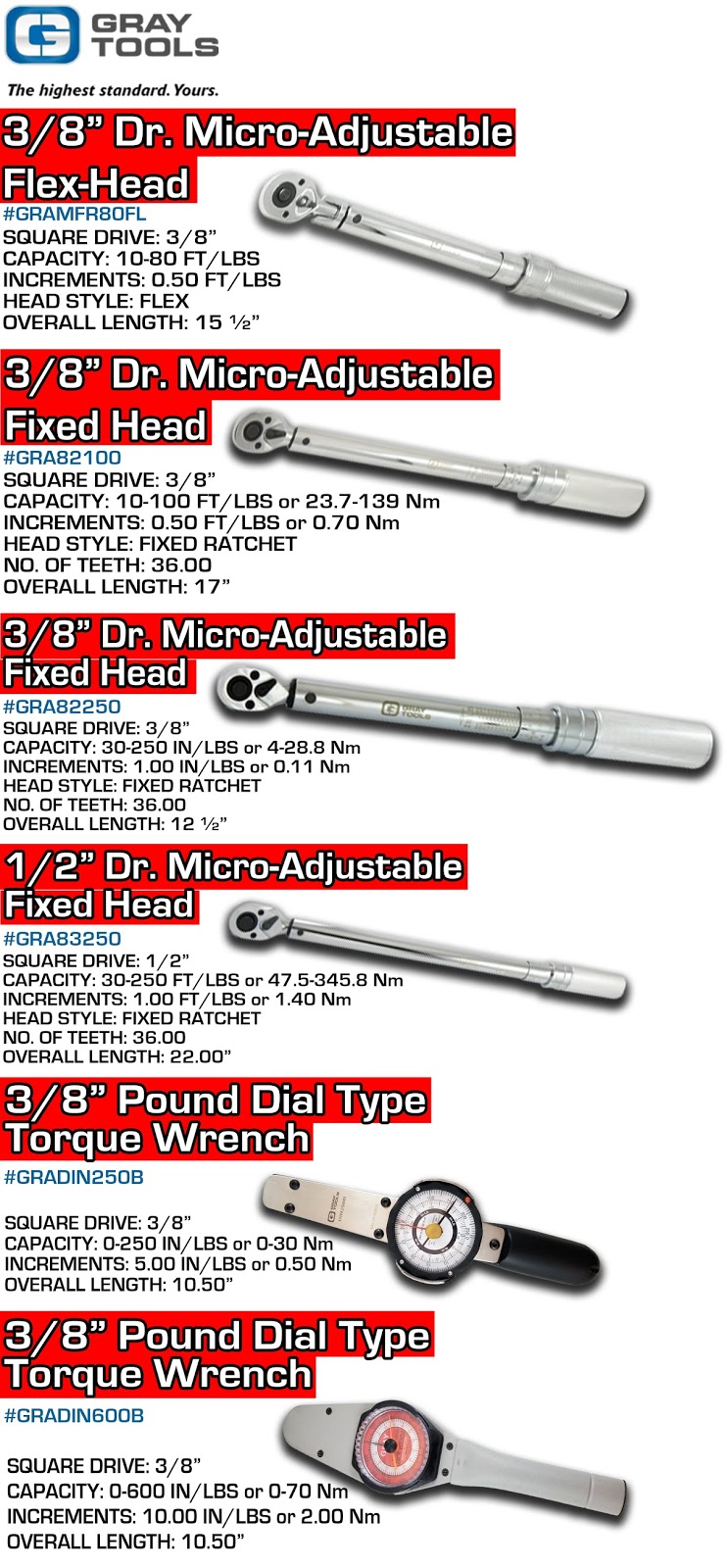
<h1>Torque Specifications: Why They Matter and How to Use Them</h1>
<p>Proper torque application is one of the most critical aspects of fastener installation. Too little torque can result in loose connections in any vehicle — for exact specs see the <a href="/vehicles/toyota/camry/2020/">2020 Toyota Camry</a> and failure, while too much can strip threads, break bolts, or damage components. This guide will teach you everything you need to know about torque specifications.</p>
<h2>What is Torque?</h2>
<p>Torque is a rotational force that creates tension in a fastener. When you tighten a bolt, you're applying torque to create clamping force that holds components together. The relationship between torque and clamping force is affected by several factors:</p>
<ul>
<li><strong>Thread pitch</strong>: Finer threads require less torque for the same clamping force</li>
<li><strong>Friction</strong>: Lubrication and surface conditions affect torque requirements</li>
<li><strong>Material</strong>: Different materials have different friction characteristics</li>
<li><strong>Fastener condition</strong>: New vs. used fasteners behave differently</li>
</ul>
<h2>Why Torque Specifications Matter</h2>
<h3>Under-Torquing Consequences:</h3>
<ul>
<li><strong>Loose connections</strong>: Fasteners can work loose over time</li>
<li><strong>Fatigue failure</strong>: Repeated loading can cause bolt failure</li>
<li><strong>Leakage</strong>: Gaskets and seals may not compress properly</li>
<li><strong>Safety hazards</strong>: Critical components may separate</li>
</ul>
<h3>Over-Torquing Consequences:</h3>
<ul>
<li><strong>Thread stripping</strong>: Threads can be damaged or destroyed</li>
<li><strong>Bolt breakage</strong>: Fasteners can snap during installation</li>
<li><strong>Component damage</strong>: Clamped parts can be crushed or cracked</li>
<li><strong>Stress concentration</strong>: Creates weak points in the assembly</li>
</ul>
<h2>Types of Torque Specifications</h2>
<h3>Dry Torque</h3>
<ul>
<li>Applied to clean, unlubricated threads</li>
<li>Most common specification type</li>
<li>Baseline for most applications</li>
</ul>
<h3>Lubricated Torque</h3>
<ul>
<li>Applied to oiled or greased threads</li>
<li>Typically 10-15% less than dry torque</li>
<li>Specified for some automotive applications</li>
</ul>
<h3>Prevailing Torque</h3>
<ul>
<li>Additional torque required for thread-locking compounds</li>
<li>Must be added to base torque specification</li>
<li>Important for vibration-resistant applications</li>
</ul>
<h2>Common Torque Values by Size</h2>
<h3>Metric Bolts (Class 8.8, Dry)</h3>
<ul>
<li>M6: 10 Nm (7.4 ft-lbs)</li>
<li>M8: 25 Nm (18.4 ft-lbs)</li>
<li>M10: 50 Nm (36.9 ft-lbs)</li>
<li>M12: 85 Nm (62.7 ft-lbs)</li>
<li>M14: 135 Nm (99.6 ft-lbs)</li>
<li>M16: 210 Nm (154.9 ft-lbs)</li>
</ul>
<h3>Imperial Bolts (Grade 5, Dry)</h3>
<ul>
<li>1/4"-20: 8 ft-lbs (11 Nm)</li>
<li>5/16"-18: 17 ft-lbs (23 Nm)</li>
<li>3/8"-16: 30 ft-lbs (41 Nm)</li>
<li>7/16"-14: 49 ft-lbs (66 Nm)</li>
<li>1/2"-13: 75 ft-lbs (102 Nm)</li>
<li>9/16"-12: 109 ft-lbs (148 Nm)</li>
</ul>
<p><em>Note: These are general guidelines. Always consult manufacturer specifications for critical applications, such as those for the <a href="/vehicles/honda/civic/2025/">2025 Honda Civic</a>.</em></p>
<h2>Torque Wrench Types and Selection</h2>
<h3>Click-Type Torque Wrenches</h3>
<ul>
<li><strong>Advantages</strong>: Audible and tactile feedback, good accuracy</li>
<li><strong>Disadvantages</strong>: Can be over-torqued if not released immediately</li>
<li><strong>Best for</strong>: <a href="/vehicles/ford/f-150/2022/">General automotive</a> and mechanical work</li>
</ul>
<h3>Beam-Type Torque Wrenches</h3>
<ul>
<li><strong>Advantages</strong>: Simple, reliable, no calibration drift</li>
<li><strong>Disadvantages</strong>: Requires visual reading, less convenient</li>
<li><strong>Best for</strong>: Infrequent use, backup verification</li>
</ul>
<h3>Digital Torque Wrenches</h3>
<ul>
<li><strong>Advantages</strong>: Precise readings, data logging, multiple units</li>
<li><strong>Disadvantages</strong>: More expensive, battery dependent</li>
<li><strong>Best for</strong>: Professional use, precision applications</li>
</ul>
<h3>Torque Limiting Extensions</h3>
<ul>
<li><strong>Advantages</strong>: Prevents over-torquing, consistent results</li>
<li><strong>Disadvantages</strong>: Fixed torque value, limited flexibility</li>
<li><strong>Best for</strong>: Production environments, specific applications</li>
</ul>
<h2>Proper Torque Wrench Technique</h2>
<h3>Step-by-Step Process:</h3>
<ol>
<li><strong>Select the correct torque wrench</strong>: Choose appropriate range and type</li>
<li><strong>Set the torque value</strong>: Adjust to specified value</li>
<li><strong>Position properly</strong>: Apply force perpendicular to the handle</li>
<li><strong>Apply steady pressure</strong>: Smooth, consistent motion</li>
<li><strong>Stop at the click</strong>: Don't continue turning after the wrench signals</li>
<li><strong>Reset the wrench</strong>: Return to lowest setting after use</li>
</ol>
<h3>Common Mistakes to Avoid:</h3>
<ul>
<li><strong>Using the wrong range</strong>: Torque wrenches are most accurate in the middle of their range</li>
<li><strong>Side loading</strong>: Applying force at an angle reduces accuracy</li>
<li><strong>Rapid application</strong>: Quick, jerky motions can cause over-torquing</li>
<li><strong>Ignoring calibration</strong>: Torque wrenches need regular calibration</li>
<li><strong>Using extensions</strong>: Adapters and extensions can affect torque readings</li>
</ul>
<h2>Torque Sequence Patterns</h2>
<h3>Star Pattern (Most Common)</h3>
<ul>
<li>Used for circular bolt patterns</li>
<li>Ensures even clamping force distribution</li>
<li>Start opposite, work in star pattern</li>
</ul>
<h3>Spiral Pattern</h3>
<ul>
<li>Used for large, rectangular patterns</li>
<li>Work from center outward in spiral</li>
<li>Ensures gradual, even tightening</li>
</ul>
<h3>Sequential Pattern</h3>
<ul>
<li>Used for specific applications</li>
<li>Follow manufacturer's specified sequence</li>
<li>Critical for some engine and structural applications</li>
</ul>
<h2>Special Considerations</h2>
<h3>Aluminum Components</h3>
<ul>
<li>Lower torque values required</li>
<li>More susceptible to thread damage</li>
<li>Consider using anti-seize compound</li>
</ul>
<h3>Stainless Steel Fasteners</h3>
<ul>
<li>Higher friction coefficient</li>
<li>May require reduced torque values</li>
<li>Prone to galling without lubrication</li>
</ul>
<h3>Thread-Locking Compounds</h3>
<ul>
<li>Increase breakaway torque</li>
<li>May require torque adjustment</li>
<li>Follow manufacturer recommendations</li>
</ul>
<h3>Temperature Effects</h3>
<ul>
<li>Hot components may require different torque</li>
<li>Thermal expansion affects clamping force</li>
<li>Consider operating temperature range</li>
</ul>
<h2>Torque-to-Yield Fasteners</h2>
<p>Some modern applications use torque-to-yield (TTY) fasteners:</p>
<ul>
<li><strong>Initial torque</strong>: Applied to a specific value</li>
<li><strong>Additional rotation</strong>: Turned a specified number of degrees</li>
<li><strong>Single use</strong>: Must be replaced after removal</li>
<li><strong>Critical applications</strong>: Engine head bolts, connecting rods</li>
</ul>
<h2>Verification and Quality Control</h2>
<h3>Torque Auditing</h3>
<ul>
<li>Randomly check torque values after installation</li>
<li>Use calibrated equipment</li>
<li>Document results for quality records</li>
</ul>
<h3>Marking Systems</h3>
<ul>
<li>Mark fasteners after torquing</li>
<li>Helps identify which fasteners have been properly torqued</li>
<li>Useful for quality control and inspection</li>
</ul>
<h2>Troubleshooting Torque Issues</h2>
<h3>Inconsistent Readings</h3>
<ul>
<li>Check torque wrench calibration</li>
<li>Verify proper technique</li>
<li>Inspect fastener and thread condition</li>
</ul>
<h3>Fastener Failure</h3>
<ul>
<li>Verify correct torque specification</li>
<li>Check fastener grade and condition</li>
<li>Inspect for thread damage or contamination</li>
</ul>
<h3>Loose Fasteners</h3>
<ul>
<li>Consider vibration and thermal cycling</li>
<li>Evaluate need for thread-locking compound</li>
<li>Check for proper torque sequence</li>
</ul>
<h2>Maintenance and Calibration</h2>
<h3>Torque Wrench Care:</h3>
<ul>
<li>Store at lowest setting</li>
<li>Avoid dropping or impact</li>
<li>Keep clean and dry</li>
<li>Calibrate annually or per manufacturer recommendation</li>
</ul>
<h3>Calibration Process:</h3>
<ul>
<li>Use certified calibration equipment</li>
<li>Document calibration results</li>
<li>Replace if out of specification</li>
<li>Consider professional calibration services</li>
</ul>
<h2>Conclusion</h2>
<p>Proper torque application is essential for safe, reliable fastener installation. Understanding torque specifications, using the right tools, and following proper techniques will ensure your fasteners perform as intended. Always consult manufacturer specifications for critical applications, and don't hesitate to seek professional advice when working on safety-critical systems.</p>
<p>Remember: proper torque is about achieving the right clamping force, not just following numbers. Understanding the principles behind torque specifications will make you a better mechanic and ensure safer, more reliable results.</p>